

1
20–25 MPa
Footings, walls, foundationsCommon range for residential structural support where the concrete is not directly exposed to heavy surface wear.
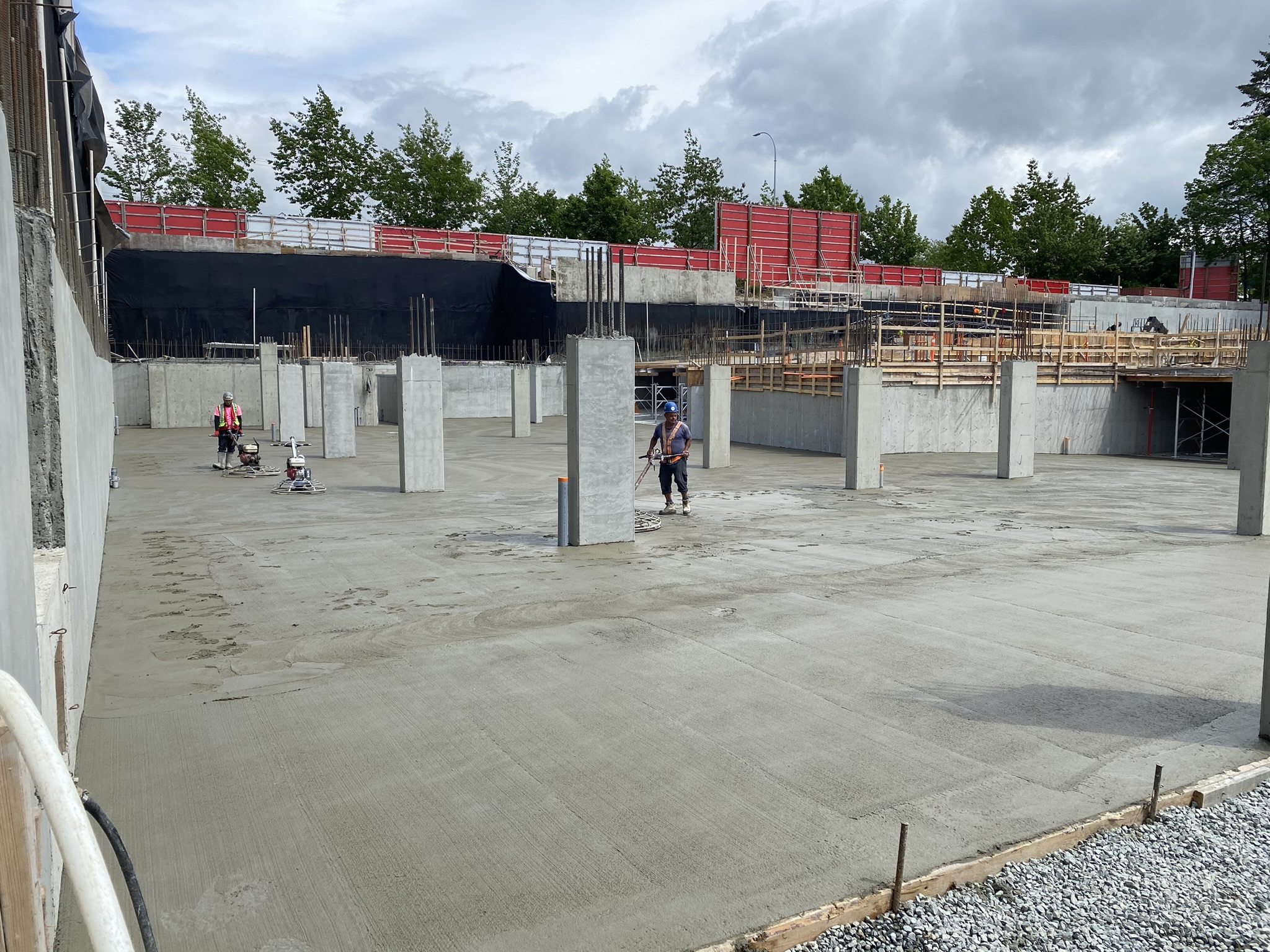
Understand what MPa means, why it matters, and which concrete strength is commonly used for footings, slabs, garages, driveways, and exterior flatwork in Vancouver.
MPa stands for megapascals. In concrete, it measures compressive strength after curing. The right MPa depends on the project type, exposure, finishing method, and site conditions.
Concrete strength is measured in MPa, or megapascals. Use this guide before ordering ready-mix concrete to understand which strength range is commonly used for residential footings, slabs, garages, driveways, and exterior flatwork.
Common range for residential structural support where the concrete is not directly exposed to heavy surface wear.
Often used for interior slabs that are protected from freeze-thaw cycles, weather exposure, and de-icing salts.
Commonly used for surfaces exposed to vehicles, outdoor conditions, moisture, and seasonal temperature changes.
Air entrainment helps improve freeze-thaw durability for exterior concrete exposed to Vancouver weather.
Use this table to compare common minimum strength, water-to-cement ratio, suggested MPa, and air content ranges for typical concrete applications.
| Concrete Location | BCBC Minimum Strength (MPa) |
BCBC Maximum W/C Ratio |
BCBC Air Content | Suggested Strength (MPa) |
Maximum W/C Ratio |
Optimum Air Content Range |
|---|---|---|---|---|---|---|
| Footings, walls, foundations | 15 | 0.70 | n/a | 20–25 | 0.55–0.60 | 3–5% |
| Interior flatwork | 20 | 0.65 | n/a | 25–28 | 0.50–0.55 | 3–5% |
| Garages, carports | 32 | 0.45 | 5–8% | 32 | 0.45 | 5–6% |
| Exterior flatwork | 32 | 0.45 | 5–8% | 32 | 0.45 | 5–7% |
Air entrainment is especially important for exterior concrete because it helps protect the surface during freeze-thaw cycles.
Concrete should be mixed with the correct air-entrainment level based on the project type, exposure, and finish.
For garages, carports, and exterior flatwork that will be troweled, keep air in the lower range, close to 5%, to help reduce surface crusting and blistering.
For exterior flatwork that will not be troweled, such as broomed or exposed concrete, keep air around 6% for freeze-thaw durability.
For interior flatwork that will be troweled, keep air around 4%. This helps control bleeding without causing blistering.
Explore additional Vancouver Ready Mix resources to better understand concrete strength, ordering details, FAQs, and general service terms.
Review concrete strength basics and learn how MPa relates to different concrete applications.
View resource → FAQFind answers to common questions about concrete ordering, delivery, mixes, and project planning.
View FAQs → T&CReview general terms related to Vancouver Ready Mix concrete supply, delivery, and service conditions.
View terms →Send us your project details, including slab type, location, dimensions, finish, and access requirements. Vancouver Ready Mix can help you choose the right ready-mix concrete for your pour.
These answers help clarify common questions about concrete strength, driveway MPa, interior slabs, and exterior concrete durability.
MPa means megapascals. In concrete, it measures compressive strength, or how much pressure the concrete can handle after curing.
Driveways and exterior flatwork commonly use 32 MPa concrete with air entrainment because they are exposed to weather, vehicles, moisture, and freeze-thaw conditions.
Interior flatwork commonly uses 25–28 MPa concrete, depending on the slab use, finish, and project requirements.
Air entrainment creates tiny air pockets in the concrete. These pockets help reduce damage from freeze-thaw cycles, especially for exterior concrete exposed to moisture and cold weather.
Yes. Share your project type, dimensions, site access, finish, and delivery needs, and Vancouver Ready Mix can help you choose the right concrete mix for your order.
Contact us today for a quotation or any questions regarding your project.
Learn More