
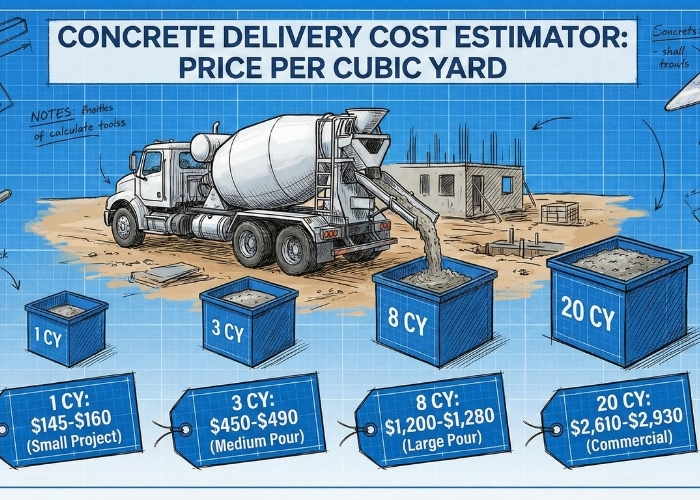
Concrete costs can vary more than many people expect.
Whether you’re planning a driveway, patio, foundation, or commercial pour, understanding the price per yard of concrete is essential for accurate budgeting and avoiding costly surprises.
Concrete pricing isn’t just about material—it’s influenced by mix type, delivery distance, project size, timing, and local market conditions. In this guide, we’ll break down how concrete pricing works, what affects the cost per cubic yard, and how to estimate your needs confidently for projects across Metro Vancouver.
Factors That Affect Cost of Concrete Per Yard
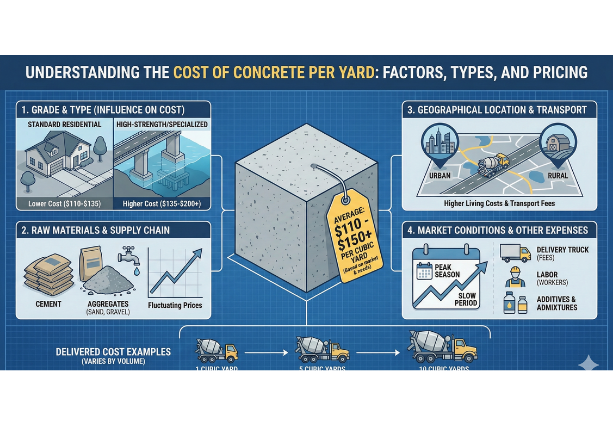
Concrete pricing can be influenced by a myriad of factors that may vary from one project to another. One of the primary determinants is the grade or type of concrete being used. Different projects demand varying strengths and properties, which necessitates different mixtures and additives. For instance, high-strength concrete used in structural applications will cost more than standard concrete used for residential pavements. Working with a professional concrete service provider helps ensure the correct mix is selected based on structural requirements and budget. Additionally, specialized formulations for unique projects like underwater construction or high-temperature resistance also come at a premium.
Raw material costs also play a major role in determining cost of concrete per yard. Cement, aggregates, and water prices fluctuate due to supply chain conditions and demand. Regional availability and aggregate quality can further influence local pricing.
Geographical location plays a crucial role in determining concrete costs. The cost of living, local taxes, and transportation expenses differ from one region to another, affecting the price per yard of concrete. Urban areas with higher living costs typically see higher concrete prices compared to rural areas. Additionally, proximity to suppliers and the ease of transporting raw materials to the mixing site can also impact the final cost. Remote locations may incur additional transportation fees, raising the overall expense.
Average Concrete Cost of Concrete Per Yard
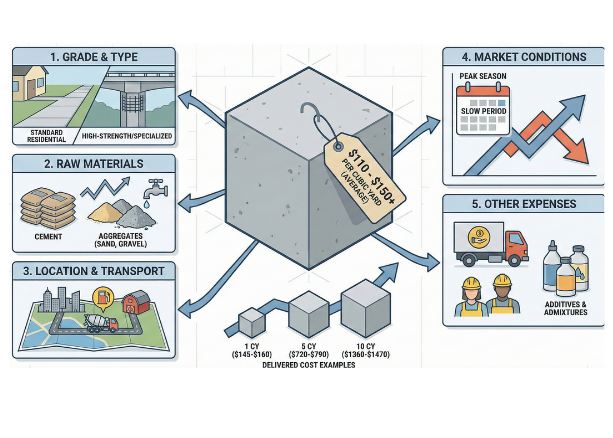
Determining the average price per yard of concrete involves understanding current market rates and the specific needs of a project. On average, the cost of concrete per yard in cubic ranges from $110 to $150. However, this price can fluctuate based on several factors, including the grade of concrete, geographical location, and market demand. For standard residential projects, the cost may fall on the lower end of the range, while commercial projects requiring specialized concrete mixes can cost more. Accurately estimating quantities using a concrete calculator helps align material needs with budget expectations.
It’s important to note that these averages can change with market conditions. During periods of high demand—such as peak construction seasons or post-disaster rebuilding—prices may increase. In slower periods, suppliers may offer lower pricing to encourage demand. Staying informed about these trends helps manage potential cost fluctuations.
In addition to material pricing, other costs such as delivery fees, labor, and required additives or admixtures can affect the final price per yard. Homeowners and project managers should factor in these expenses when budgeting to avoid surprises and keep projects on track.
Types of Concrete and Their Cost
Different concrete types directly influence the cost of concrete per yard. Standard concrete is the most economical option for driveways and sidewalks, while high-strength concrete costs more due to increased cement content and higher performance requirements. Choosing the right mix plays a key role in managing overall project costs.
Concrete is not a one-size-fits-all material; various types are designed to meet specific needs and applications. The most common options include standard concrete, high-strength concrete, and specialty concrete. Standard concrete, commonly used for residential projects such as driveways and pathways, typically has a lower cost of concrete per yard, ranging from $110 to $135 per cubic yard. It offers reliable durability for everyday use without the need for enhanced strength.
High-strength concrete is often used in commercial buildings, bridges, and infrastructure projects where higher load capacity is required. Because of its enhanced properties, the cost of concrete per yard for high-strength mixes is higher, generally ranging from $135 to $175 per cubic yard, depending on strength specifications and added materials.
Specialty concrete mixes—including lightweight concrete, self-compacting concrete, and decorative concrete—are designed for unique applications and therefore have a higher cost of concrete per yard. Lightweight concrete can cost between $150 and $200 per cubic yard, as it helps reduce structural load. Self-compacting concrete, which flows easily into forms without vibration, and decorative concrete with stamped or polished finishes also carry premium pricing due to specialized formulations and additional labor.
Additional Costs: Labor and Delivery
When budgeting for a concrete project, it’s important to consider additional expenses beyond material pricing, as these directly affect the overall cost of concrete per yard. Labor costs can vary based on project complexity, worker skill level, and location. On average, labor for concrete installation ranges from $2 to $5 per square foot, covering site preparation, formwork, pouring, and finishing. More complex projects—such as decorative concrete or structural reinforcement—can increase labor costs and raise the final cost.
Delivery charges are another key factor that influences the cost of concrete per yard. Concrete is typically delivered by ready-mix trucks, and delivery pricing depends on the distance from the batching plant to the job site. Most suppliers charge a flat delivery fee within a set radius, with additional charges for longer distances. On average, delivery fees range from $60 to $100 per load. Some suppliers may also apply small-load fees, as full truckloads are more cost-efficient.
In addition to labor and delivery, incidental expenses can further impact the cost of concrete per yard. These may include permit fees, inspections, site preparation, or cleanup. Tasks such as leveling the site or removing existing concrete can add to overall project costs. Obtaining a detailed estimate helps ensure all expenses are accounted for and prevents unexpected budget overruns.
How to Estimate Your Concrete Needs
Accurately estimating the amount of concrete needed for a project is crucial for budgeting and for understanding the overall cost of concrete per yard. The first step is determining the required volume, which is typically measured in cubic yards, as concrete is sold by the yard. To calculate the volume, measure the length, width, and depth of the area to be poured. The formula is length × width × depth, with all measurements in feet. Once you have the volume in cubic feet, divide by 27 to convert it into cubic yards. Accurate volume calculations help prevent overpaying and keep the cost of concrete per yard under control. For faster planning, you can use the Concrete Calculator to estimate quantities instantly.
It’s important to account for any irregular shapes or variations in depth when estimating your concrete needs. For areas with varying depths, you can break the project into smaller sections and calculate the volume for each section separately. This ensures a more accurate estimate and helps in avoiding over- or under-ordering concrete. Additionally, it’s wise to add a little extra to your estimate to account for waste and potential errors. A common practice is to add 5-10% to the calculated volume to ensure you have enough concrete to complete the project.
Using online concrete calculators can also be helpful in estimating your concrete needs. These tools allow you to input the dimensions of your project and automatically calculate the required volume of concrete. Many suppliers and construction websites offer these calculators for free, making it easy to get a quick estimate. However, for more complex projects, it’s always best to consult with a professional to ensure accuracy and avoid costly mistakes.
Tips for Reducing Concrete Costs
Reducing concrete costs without compromising quality is a common goal for homeowners and project managers. One effective approach is optimizing the project design. This may include using concrete more efficiently, reducing slab thickness where structurally appropriate, or selecting alternative mixes when possible. For residential projects, early planning and proper scope definition through residential concrete services can help identify cost-saving opportunities before work begins.
Another strategy for reducing costs is to schedule your project during off-peak times. Concrete suppliers often have lower prices during slower periods, as they are looking to keep their operations running smoothly. By planning your project during these times, you can take advantage of lower prices and potentially negotiate better rates. Additionally, ordering concrete in larger quantities can sometimes result in discounts, as suppliers prefer to deliver full truckloads.
Recycling and reusing materials can also lead to significant savings. For example, if you have an existing concrete structure that needs to be removed, consider crushing and reusing the old concrete as aggregate for the new project. This not only reduces material costs but also minimizes waste and is environmentally friendly. Additionally, using locally sourced materials can reduce transportation costs and support local businesses.
Comparing Concrete Suppliers
Choosing the right concrete supplier is crucial for ensuring quality and cost-effectiveness. When comparing suppliers, it’s important to consider not only the price per yard of concrete but also the overall value they offer. This includes factors such as the quality of the concrete, the reliability of delivery, and the level of customer service. Reading reviews and asking for recommendations from other builders or contractors can provide valuable insights into the reputation and reliability of different suppliers.
It’s also important to get detailed quotes from multiple suppliers to compare prices and services. A comprehensive quote should include the cost per yard of concrete, delivery charges, any additional fees for small loads or special requirements, and the terms of payment. By comparing these quotes, you can identify the supplier that offers the best combination of price and service. Don’t be afraid to negotiate with suppliers; they may be willing to offer discounts or better terms to secure your business.
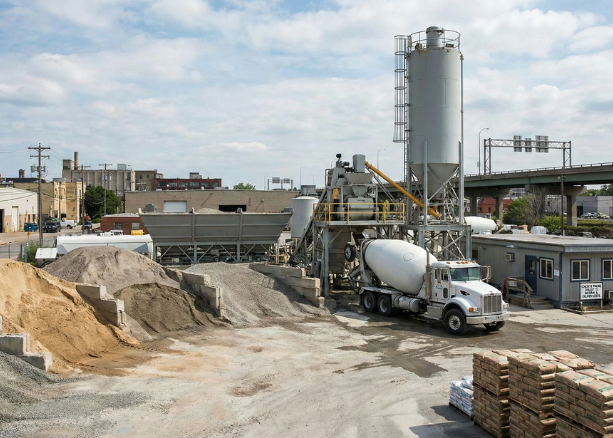
Visiting the supplier’s facility can also provide valuable insights into their operations and the quality of their products. Seeing the batching plant, checking the quality control processes, and discussing your project with the supplier can help ensure that you are making an informed decision. A reputable supplier will be transparent about their processes and willing to answer any questions you have.
Understanding Pricing Trends in the Concrete Industry
Staying informed about pricing trends in the concrete industry can help you make better purchasing decisions and manage your project budget more effectively. Concrete prices are influenced by several factors, including the cost of raw materials, supply and demand dynamics, and broader economic conditions. For example, fluctuations in the price of cement, aggregates, and other raw materials can significantly impact concrete costs. Monitoring data from organizations such Statistics Canada can help you anticipate price changes and plan purchases accordingly.
Supply and demand dynamics also play a crucial role in concrete pricing. During periods of high demand—such as peak construction seasons or post-disaster rebuilding—prices may rise due to increased competition for available supply. Conversely, during slower periods, suppliers may lower prices to stimulate demand. Industry outlooks and construction forecasts published by groups like Construct Connect and Dodge Construction Network provide useful insights into these cycles and upcoming market shifts.
Broader economic conditions, including inflation, interest rates, and government policies, can further influence concrete prices. Rising inflation often leads to higher raw material and transportation costs, while changes in government regulations or trade policies may affect production and supply chains. Keeping an eye on economic indicators from sources such as the Bank of Canada Bank of Canada can help you better anticipate and manage potential cost increases.
FAQ
What is the current cost of concrete per yard in Vancouver for 2026?
In 2026, standard ready-mix concrete in the Lower Mainland typically ranges from $210 to $275 per cubic yard for residential mixes. Prices vary based on MPa strength (e.g., 25 MPa for footings vs. 32 MPa for garage floors) and current fuel/environmental surcharges.
Do you offer “Short Load” delivery for small backyard projects?
Yes. While a standard truck holds 10 yards, we specialize in small loads. Orders under 4 cubic yards generally incur a “short load fee” (approx. $150–$250) to cover the logistics of a partial delivery.
How much extra does it cost for a concrete pump truck in BC?
For sites where the truck cannot reach the pour area, a line pump or boom pump is required. In Vancouver, expect a base setup fee of $400–$600, plus a “per yard” pumping fee of roughly $15–$25.
What are the environmental and fuel surcharges in Metro Vancouver?
Most suppliers, including Vancouver Ready Mix, apply a small Environmental Levy (approx. $5–$10/yard) and a Fuel Surcharge that fluctuates with local diesel prices. These help offset the cost of carbon compliance and washout disposal.
How does winter weather in BC affect my concrete price?
From November to March, “Winter Service” fees (approx. $15–$25/yard) often apply to cover heated water and chemical accelerants (like Calcium) used to ensure the concrete sets correctly in cold, wet conditions.
Conclusion: Making Informed Decisions on Concrete Purchases
Understanding concrete costs—and what influences them—helps you plan smarter and avoid unexpected expenses. By choosing the right concrete mix, accounting for delivery and labor, and estimating quantities accurately, you can keep your project on budget while meeting performance and quality expectations.
Concrete is a versatile material used in everything from small residential projects to large commercial pours. Whether you’re a homeowner or a contractor, knowing how pricing works allows you to compare options, choose reliable suppliers, and make informed decisions with confidence.
To simplify planning and reduce guesswork, use our Concrete Calculator to quickly estimate how much concrete your project requires. Accurate estimates help prevent over-ordering, reduce waste, and control costs.
With proper planning, the right tools, and a trusted supplier, you can achieve durable, high-quality results while staying within budget.